Wednesday, April 16, 2025
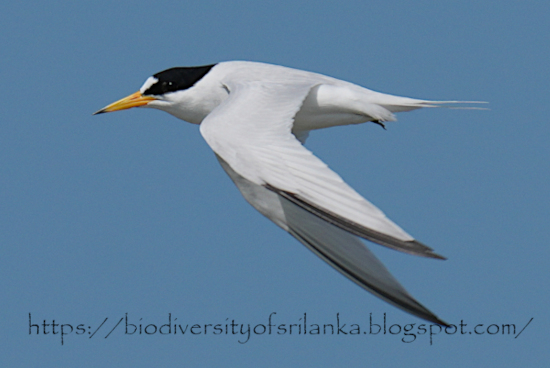
Saunders's Tern (Sternula saundersi)


Tuesday, April 15, 2025
Chinese Pond-Heron (Ardeola bacchus)

Very rare vagrant bird with few sight records in Sri Lanka. It breeds in Assam and Burma to Eastern China and Manchuria and in the Andaman islands. Non-breeding and immature Chinese Pond-Herons are indistinguishable from the common resident Indian Pond-Herons. However, during the breeding season, the Chinese Pond-Heron's distinctive maroon-chestnut head and neck make identification easier. As a result, all recorded sightings of this species in Sri Lanka have occurred at the end of the migratory season.
Chinese Pond Heron was first time recorded in Sri Lanka by Dieter Zingel (Germany) on 30th April 1995 at Deberawewa (Hoffmann, T. W., 1996). Later on sight record(s) available by Rex. I. de Silva from Negambo Lagoon (Kotagama S. & Ratnavira G. 2017: 258)
Recent observations reported in the eBird with photographic evidences
2) A single bird with breeding plumage by Edmundas Greimas Sigiriya Water Garden, Dambulla, Matale on 8th April 2024
3) A single bird with breeding plumage by Tharaka Dhananjaya, Ashan Tharaka Piyasinghe and Osanda Dissanayake at Anavilundawa Bird sanctuary on 4th April 2025.
References:
- Hoffmann, T. W., 1996. Ceylon Bird Club Notes 1995. Loris, 21(1), 16-18.
- Kotagama, S., Ratnavira, G. 2010. An illustrated Guide to the Birds of Sri Lanka. Field Ornithology Group of Sri Lanka, Colombo
Monday, April 14, 2025
Great Knot (Calidris tenuirostris)

Sunday, April 13, 2025
Red Knot (Calidris canutus)

Rare winter migrant to mud and sand flats as well as the borders of lagoons and estuaries of the dry zone coastal areas. Even though very gregarious birds, both in feeding and flight, in Sri Lanka it is most likely to be found as solitary individuals or as flocks of 2-3 birds. Red Knot breeds in far northern lands.
Thursday, April 10, 2025
Terek Sandpiper (Xenus cinereus)

Saturday, March 29, 2025
දාර මහවටුවා/වයිර පෙඳ ගොහොදුවිත්තා (Limosa lapponica)

English Post >>
Wednesday, March 26, 2025
කකුළු ඔලෙවියා (Dromas ardeola)

උතුරු සහ වයඹ දිග මුහුදු වෙරළ, කලපු, ගංගා මෝයවල්, වැලි පර සහ කොරල් පර වල ස්ථානීය වශයෙන් දුර්ලභ ලෙස හමුවන දේශීය පක්ෂියෙකි. කලාතුරකින් වෙනත් එවැනි වියලි කලාපීය වෙරල තීරයන්ගේද හමුවේ. තනි තනි පක්ෂීන් ලෙසින්, ජෝඩු වශයෙන් මෙන්ම කුඩා රංචු වශයෙන්ද දිවි ගෙවන මෙම පක්ෂියා කලපු වල නොගැඹුරු ජලයේ මෙන්ම මුහුදු වෙරලේ උදම් සීමාවේ ඇවිදිමින් හෝ ජලයේ බැස ගමන් කරමින් ප්රධාන වශයෙන් කකුළුවන් සහ බොහෝවිට සමුද්රිය වැලි පණුවන් සහ මොලුස්කා විශේෂ ගොදුරු කරගැනීම සිදුකරයි. කකුළු ඔලෙවියා මැයි සිට ජූනි දක්වා කාලයේ වෙරල තීරයට ආසන්න වැලි පරයක අඩි 2 සිට 4 දක්වා දුරකට හාරන ලද උමගක කෙලවර තනන කුඩා කුටීරයක එක් බිත්තරයක් දමා අභිජනනය කරයි.
English Post >>Saturday, March 15, 2025
Thick-billed Flowerpecker/මාතුඩු පිළිලිච්චා/ලැම ඉරි පිළලිච්චා [Matudu Pililichcha/Lema Iri Pilalichcha] (Dicaeum agile)

Friday, February 14, 2025
Greater Sand Plover/මහ වැලි ඔලෙය්යා/රජ වැලි ඔලෙවියා[Maha Weli Oleiya/Raja Weli Olewiya] (Charadrius leschenaultii)

Rather rare winter migrant to seashore, lagoons, shores of estuaries and mudflats of the coastal areas, mostly to the dry zone. It lives as solitary birds or as small flocks. Greater Sand Plover feeds on small ground insects, crustaceans and worms. It breeds in far-eastern Asia and Japan.
සිංහලෙන් කියවන්න >>
Monday, February 10, 2025
පිටකළු මුහුදු කපුටා/හීන් පිටකළු ගලුවියා (Larus fuscus)

English Post >>
Sunday, February 9, 2025
Platostoma menthoides [Syn: Geniosporum tenuiflorum]

An indigenous herb in open , sandy grounds mainly near the shore in both dry and wet lowlands. Flowering from January to July.
Flower Size: 2 mm Across & 3 mm Long
Saturday, February 8, 2025
Ipomoea coptica

Flower Size: About 1.3 cm across.
Thursday, February 6, 2025
Eurasian Curlew (Numenius arquata)

An uncommon winter migrant to the coastal areas, lagoons, tidal mudflats, estuaries, creeks, and grasslands of mainly the dry lowlands. Rarely occurs also in the wet zone coastal areas. It lives as solitary birds or as small to large scattered flocks, often in company with other waders, gulls, terns and likes. Eurasian Curlew feeds on marine worms, shellfish and crustaceans by probing the mud, mostly when the tide begins to ebb. It breeds in Central and Northern Asia.
Wednesday, January 29, 2025
අළු මුහුදුලිහිණියා/පොදු මුහුදුලිහිණියා (Sterna hirundo)

ශ්රී ලංකාව අවට සාගර කලාපයට සහ වෙරළබඩ වෙරළබඩ ප්රදේශවලට පැමිණෙන සුලභ සංචාරක පක්ෂියෙකි.එසේම දිවයින අවට සාගර කලාපයේ වූ කුඩා දූපත් වලද අළු මුහුදුළිහිණියා අභිජනනය කරන බවට නිරීක්ෂණය කර ඇත. කුඩා හෝ විශාල රංචු ලෙසින් දිවිගෙවන මෙම මුදුළිහිණියා මුළුමනින්ම පාහේ මුහුදේ වෙසෙන මත්ස්යයන්, කකුළුවන් සහ බෙල්ලන් ආදී ජීවින් ගොදුරු කරගනී.
English Post >>
Sunday, January 19, 2025
පුංචි මුහුදුළිහිණියා (Sternula albifrons)

ප්රධාන වශයෙන් පහත රට වියලි කලාපයේ වෙරළබඩ තෙත් බිම් වල සහ රට අභ්යන්තරයට වන්නට පිහිටි ඇතැම් වැව් වල සුලභව හමුවන දේශීය පක්ෂියෙකි. ඇතැම්විට තෙත් කලාපයේ එවන් ස්ථාන වලටද පැමිණේ. මෙරට සිටින කුඩාම මුහුදුලිහිණි විශේෂය වන මෙම මුහුදු ලිහිනිණියා ප්රධාන වශයෙන් මත්ස්යයන් සහ ඉස්සන් වැනි සතුන් ගොදුරු කරගන්නා අතර, බොහෝවිට ජලයේ වසන වෙනත් කෘමීන්ද ආහාරයට ගන්නවා විය හැක. බොහෝවිට තනි පක්ෂීන් වශයෙන් හමුවන මුත් එකම ප්රදේශයක විසිරුණු රංචු ලෙසද ගොදුරු සොයමින් හැසිරෙන ආකාරය නිරීක්ෂණය කල හැක. මැයි සිට අගෝස්තු දක්වා කාලයේ කුඩා සමූහ වශයෙන් මුහුදු වෙරලේ, වියලි මඩ වගුරු වල මෙන්ම වැව් අද්දරද අභිජනනය කරන මෙම මුහුදු ලිහිණියා විවෘත භූමියේ නොගැඹුරු ලෙස සූරාගත් වලක බිත්තර 2 හො 3 ක් දමා පැටවුන් බිහිකරයි.
English Post >>
Saturday, January 18, 2025
රතු මැටි කොරවක්කා/ළය රතු විල් කෙරැළියා (Zapornia fusca)

පහත රට ප්රදේශ වල සිට කඳුකරයේ මීටර 1400 ක පමණ උස් මට්ටම් දක්වා වගුරු, කුඹුරු, සහ වෙනත් එවැනි පරිසර පද්ධති වල ඝනව වැවුන ගහකොළ අතර දිවිගෙවන දුර්ලභ දේශීය පක්ෂියෙකි. තවද උත්තර අර්ධගෝලයේ රටවල ශීත සෘතුව බලපැවැත්වෙන කාලයේදී මෙරටට පැමිණෙන සංචාරක රතු මැටි කොරවක්කන්ද සිටින බව හඳුනාගෙන ඇත. ඉතාමත් කුලෑටි පක්ෂියෙකු වන රතු මැටි කොරවක්කා තනි තනි පක්ෂීන් වශයෙන් හෝ ජෝඩු වශයෙන් දිවි ගෙවන අතර, ජූනි සිට සැප්තැම්බර් දක්වා කාලයේ පන් සහ තණකොළ උපයෝගි කරගෙන වගුරු බිමක පොළොව මත මනාව ගහකොළ වලින් ආවරනය වූ ස්ථානයක හෝ වතුර මත පාවෙන ලෙසට සාදන කූඩුවක බිත්තර 3 සිට 6 දක්වා ප්රමාණයක් දමා අභිජනනය කරයි.
English Post >>
Tuesday, January 14, 2025
Pied Wheatear (Oenanthe pleschanka)

*G.M. Henry in 16 November 1943 observed an exhausted female bird in its winter plumage in a Colombo garden probably after arriving presumably from India. He has confirmed his identification after comparing his notes and sketches he had taken during many minutes of his observations with specimens at the British Natural History Museum. (Henry G.M. 1998: 380) There is another sight record of Pied Wheatear on passage between Sri Lanka and Maldives islands (Repley S.D. 1982: 471).
Single female bird reported by Ravi Dharshana with photographic evidence on 9th January of 2025 at Port City - Colombo is probably the third record of Pied Wheatear in Sri Lanka.
Sunday, January 12, 2025
Common Tern/අළු මුහුදුලිහිණියා/පොදු මුහුදුලිහිණියා [Alu Muhudhulihiniya/Podhu Muhudulihiniya] (Sterna hirundo)

Wednesday, January 8, 2025
Cyphostemma setosum

Flower Size: 0.3-0.5 cm
Tuesday, January 7, 2025
Lindernia hyssopioides

An indigenous herb very common in paddy fields and borders of ponds in the wet lowlands and of the wet hill country up to 550 m elevations.
Subscribe to:
Comments (Atom)